

Table of Contents
- How to Support Local Animal Rescues With Money That Actually Helps
- Animal Shelter Donation Wish List: What Rescues Need Most
- How to Volunteer at an Animal Shelter the Right Way
- Foster Care, Fundraising, and Adoption Advocacy
- How to Vet a Reputable Rescue Before You Give
- Advocacy and Policy Change for Animal Welfare
- Benefits of Supporting Mission-Driven Brands for Animal Rescues
- Conclusion
Last Updated: August 30, 2026
How to Support Local Animal Rescues With Money That Actually Helps
Knowing how to support local animal rescues starts with understanding where money does the most good, and that answer varies more than most donors expect. At Paws and Promise Coffee, we work closely with Forever Paws Animal Shelter and have seen firsthand how targeted financial support changes outcomes for animals in the care system. Below, we'll walk you through exactly how to give smarter, from tax strategy to sponsoring a specific animal waiting for a home.
The biggest mistake donors make is giving without asking how funds are allocated. A general donation to a rescue's operating fund is always welcome, but directed giving, choosing a specific need, often delivers faster, more visible results. Veterinary care, spay and neuter surgeries, kennel maintenance, and enrichment supplies all compete for the same pool of money. Knowing which gaps exist lets you fill them.
| Support Method | Best For | Time Commitment | Tax-Deductible? |
|---|---|---|---|
| One-time monetary donation | Immediate needs, emergencies | Minimal | Yes, if 501(c)(3) |
| Monthly giving pledge | Stable shelter operations | Ongoing | Yes, if 501(c)(3) |
| Animal sponsorship | Specific pet's care costs | Low | Yes, if 501(c)(3) |
| Supply donation | Wish list items, in-kind | One-time | Partial (see IRS rules) |
| Volunteering | Hands-on labor, socialization | Weekly/monthly | No (time is not deductible) |
| Fostering | Freeing shelter capacity | Variable | Partial (out-of-pocket costs) |
Making Your Donation Tax-Deductible
Monetary donations to animal rescues are tax-deductible when the organization holds 501(c)(3) nonprofit status with the IRS. Before you give, verify that status directly through the IRS Tax Exempt Organization Search tool. A legitimate rescue will also provide a written acknowledgment for any donation of $250 or more, which you'll need for your records at tax time.
One detail many donors overlook: in-kind contributions, donated supplies, food, or equipment, are also potentially deductible at fair market value, but the rules differ from cash gifts. The IRS Publication 526 on charitable contributions covers the specifics. Keep receipts for everything you drop off, and ask the rescue for a dated acknowledgment letter.
Sponsoring a Specific Animal
Pet sponsorship is one of the most direct ways to support local animal rescues. You cover the care costs for a named animal, veterinary visits, food, medication, while the rescue handles day-to-day husbandry. Many rescues post sponsor profiles online, so you receive updates as the animal progresses toward adoption.
Ask the rescue how sponsorship funds are tracked. A well-run organization will tell you exactly what your contribution covers each month and notify you when your sponsored animal finds a home.
Animal Shelter Donation Wish List: What Rescues Need Most
Most people assume cash is king. Cash matters enormously, but rescues often have an equally urgent need for physical goods that their operating budgets simply cannot stretch to cover.
A typical animal shelter donation wish list includes:
- Dry and wet food for dogs, cats, and small animals (check expiration dates and brand preferences with the shelter first)
- Laundry detergent and cleaning supplies for kennel maintenance and daily sanitation
- Towels, blankets, and bedding, used is fine; rescues go through these quickly
- Leashes, collars, and harnesses in a range of sizes
- Enrichment items: puzzle feeders, toys, and chews that reduce stress in shelter animals
- Paper towels, trash bags, and zip-lock bags for daily operations
- Postage stamps and office supplies for nonprofit administrative work
- Gift cards to pet supply retailers, which give staff flexibility to buy what's needed most
Before you load up a car, call ahead. Shelter capacity fluctuates, and storage space is limited. Some rescues manage wish lists through Amazon or Chewy, which lets you ship items directly, cutting down on coordination and ensuring nothing goes to waste.
How to Volunteer at an Animal Shelter the Right Way
Volunteering is the most direct form of support local animal rescues receive, and the most misunderstood. Showing up once and expecting to immediately handle animals is the fastest way to be turned away. Shelters have onboarding processes for good reason: animals under stress can be unpredictable, and untrained handling creates risk for both the volunteer and the animal.
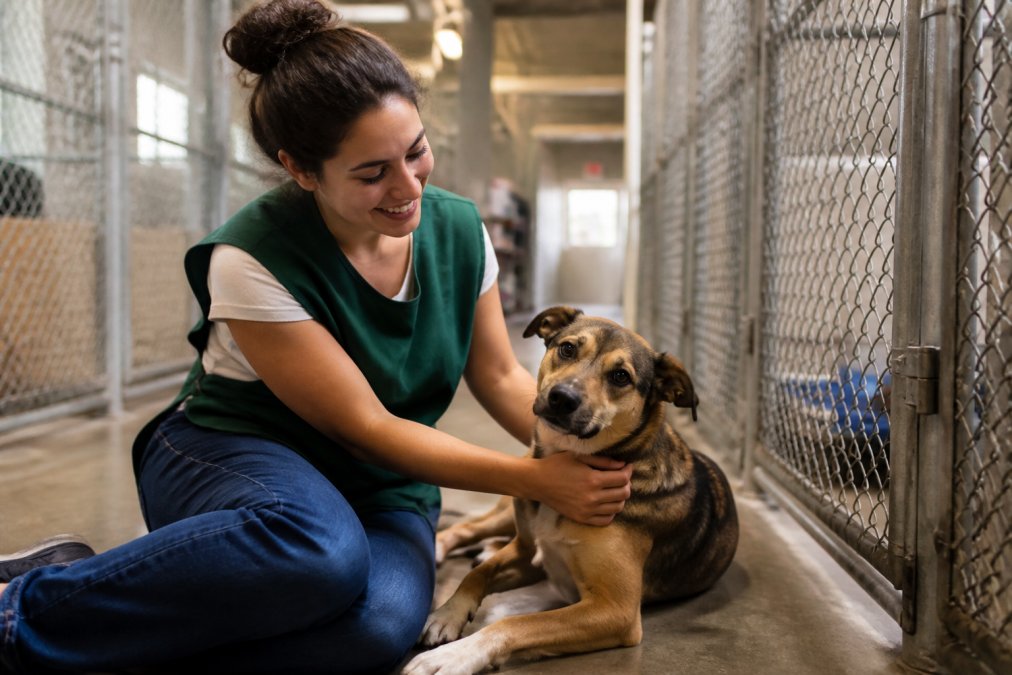
The right way to start is to contact the rescue's volunteer coordinator, complete their orientation, and accept whatever role they assign first. That might be laundry, dishes, or administrative tasks before you ever interact with an animal. That's not a slight, it's how shelters build trust with new volunteers and assess where your skills fit best.
Common volunteer roles at animal rescues include:
- Animal socialization and handling (requires training)
- Kennel cleaning and kennel maintenance
- Transport driving for vet appointments or rescue transfers
- Administrative support: data entry, donor correspondence
- Photographer or social media content creator
- Fundraising event coordination
- Volunteer recruitment and orientation support
According to the ASPCA's volunteer resource hub, consistent volunteer hours are more valuable than sporadic large commitments. Shelters build care routines around the animals, and familiar faces reduce stress for both dogs and cats in the system.
Short-Term vs. Long-Term Volunteer Commitments
Short-term volunteering, helping at a single adoption event, running a donation drive, or assisting with a fundraising campaign, is genuinely useful and accessible for people with unpredictable schedules. Don't let the inability to commit weekly stop you from contributing at all.
Long-term commitments, however, create compounding value. A volunteer who handles the same dogs every Saturday builds behavioral baselines that help staff identify health issues early. A regular cat socializer improves adoption rates by making animals more comfortable around strangers. If your schedule allows it, consistent volunteer hours are the higher-impact choice.
Foster Care, Fundraising, and Adoption Advocacy
Foster care is the backbone of small rescue groups operating without a physical shelter. Every animal placed in a foster home frees up shelter capacity for another animal that would otherwise have nowhere to go. The ripple effect is significant.
Opening Your Home as a Foster
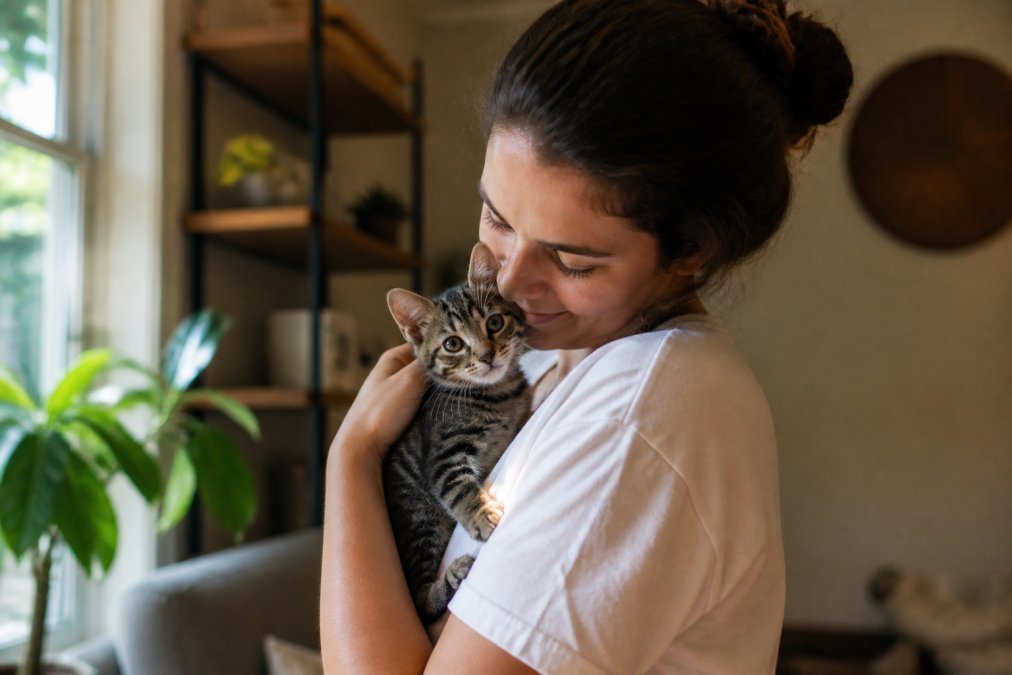
Fostering is a short-term to medium-term commitment, most placements run from two weeks to a few months. The rescue provides food, veterinary care, and supplies. Your job is to provide a safe, calm environment and regular socialization. For animals recovering from illness, trauma, or shelter stress, a home environment accelerates recovery in ways a kennel simply cannot replicate.
What to expect when you apply to foster:
- Complete the rescue's foster application and home check
- Attend a foster orientation covering animal husbandry basics and emergency protocols
- Receive your first placement with a care sheet and emergency contact information
- Provide daily updates to the rescue coordinator, especially in the first week
- Transport the animal to adoption events or vet appointments as needed
- Prepare for the animal to be adopted, and know that this is the goal, not a loss
Running Fundraising Campaigns and Social Media Drives
Social media promotion costs nothing and reaches people who would never find a rescue through traditional channels. A well-timed post sharing an animal's story can generate adoption inquiries, donation drives, and new foster applications within hours.
Effective fundraising campaigns for animal rescues tend to follow a simple structure:
- Anchor the campaign to a specific need: "We need $800 to cover surgery for Maple, a 3-year-old hound mix." Specific goals outperform vague appeals.
- Use real photos and video: Authentic content from inside the shelter consistently outperforms polished graphics.
- Set a deadline: Time-limited campaigns create urgency and drive action.
- Report back publicly: Posting a follow-up when the goal is met builds trust and primes the audience for the next campaign.
Community partnerships amplify reach further. Local businesses, veterinary clinics, and pet supply stores often co-promote rescue campaigns in exchange for visibility. Ask.
How to Vet a Reputable Rescue Before You Give
Not every organization calling itself a rescue operates with the same standards. Vetting a rescue before you donate, volunteer, or foster protects your resources and the animals.
Start with the basics. Confirm the organization's 501(c)(3) status through the IRS database. Then check their financial transparency: legitimate nonprofits file Form 990 annually with the IRS, and those filings are publicly available through Candid's GuideStar nonprofit database. A rescue that cannot or will not share financial information is a red flag.
Beyond paperwork, look for:
- Clear adoption policies and processes: A reputable rescue screens adopters carefully. If adoption feels too easy, ask why.
- Veterinary partnerships: Animals should receive documented veterinary care, including spay and neuter surgeries before adoption.
- Transparency about outcomes: What is their adoption rate? How long do animals stay in their care? Lifesaving programs publish this data.
- Active, consistent communication: A rescue that updates its social media and responds to inquiries promptly is one that is actively managed.
- References: Ask to speak with current fosters or past adopters. A confident rescue will connect you without hesitation.
The thing nobody tells you about animal rescue vetting is that the best organizations welcome scrutiny. They want informed supporters because informed supporters stay engaged long-term.
Advocacy and Policy Change for Animal Welfare
Writing a check and donating supplies address symptoms. Advocacy addresses causes.
Animal welfare policy shapes the conditions that create the need for rescue in the first place. Breed-specific legislation, mandatory spay and neuter ordinances, tethering laws, and shelter intake policies are all determined at the local and state level, which means individual voices carry real weight. A single constituent letter to a city council member on a zoning issue affecting a rescue facility can change an outcome.
Practical advocacy steps anyone can take:
- Follow your local animal control agency and attend public meetings when animal welfare policies are on the agenda
- Support spay and neuter advocacy organizations that lobby for low-cost access programs in underserved communities
- Contact state legislators about shelter transparency requirements and minimum care standards
- Amplify rescue organizations' legislative alerts on social media, volunteer recruitment and advocacy share the same digital channels
- Vote on ballot measures affecting animal welfare funding and shelter operations
The Humane Society of the United States' advocacy resources provides state-by-state tracking of active animal welfare legislation, making it easier to identify where your voice is most needed right now.
Community outreach and advocacy are long-term commitments, but they create the systemic change that reduces the number of animals entering the rescue system in the first place.
Benefits of Supporting Mission-Driven Brands for Animal Rescues
Purchasing from mission-driven brands is a form of recurring, effortless support that most people underestimate. Every transaction becomes a contribution without requiring a separate donation decision.
Paws and Promise Coffee donates 10% of every sale to support Forever Paws Animal Shelter and Sweet Inspirations, a supportive employment program for adults with intellectual disabilities. The coffee is roasted to order from ethically sourced beans, which means you're not choosing between quality and conscience, you get both. Single-origin beans, mushroom coffee, and convenient capsules ship fresh, and every purchase directly funds animal rescue care and meaningful employment.
The model matters because it creates a funding stream that doesn't depend on donor fatigue or seasonal giving cycles. Rescues supported by mission-driven brand partnerships receive consistent contributions rather than the feast-or-famine pattern that makes long-term program planning difficult.
When evaluating mission-driven brands, ask the same questions you'd ask a rescue: How is the donation calculated? Which specific organizations receive the funds? Is there any public reporting? Brands that answer those questions clearly, and back them up, are the ones worth supporting.
Supporting local animal rescues takes more forms than most people realize, and the gap between good intentions and real impact often comes down to strategy. Whether you're donating supplies, fostering an animal, running a fundraising campaign, or pushing for policy change, the most effective support is informed, consistent, and directed. Paws and Promise Coffee was built around exactly that principle: every bag of coffee, every capsule, every order sends 10% directly to Forever Paws Animal Shelter and Sweet Inspirations. Add to cart and make your daily cup count for something.
Frequently Asked Questions
What do animal rescues need most from the community?
Rescue organizations consistently need three things: reliable funding, foster homes, and volunteer hours. Monetary donations cover veterinary care, kennel maintenance, and daily operations. Foster families free up shelter capacity so groups can pull more animals from overcrowded facilities. Volunteers handle everything from dog walking to administrative work. If you can only do one thing, ask the rescue directly what their current gap is, most maintain an updated wish list on their website or social media pages.
How can I help animal shelters if I cannot adopt?
Adoption is just one of many ways to support local animal rescues. You can donate supplies from the shelter's wish list, contribute to a fundraising campaign, share adoption posts on social media to expand their reach, or sign up for a single volunteer shift. Fostering is another option that doesn't require a permanent commitment. Even purchasing from a mission-driven brand that donates a percentage of sales to rescue organizations creates a steady stream of support without any extra effort on your part.
Are donations to animal rescues tax-deductible?
Donations to animal rescues that hold 501(c)(3) nonprofit status are generally tax-deductible under IRS rules. Before you give, confirm the organization's tax-exempt status by searching the IRS Tax Exempt Organization Search tool at apps.irs.gov. Keep a written acknowledgment of any donation of $250 or more. In-kind contributions like supplies also qualify, though you'll need a receipt from the organization and a fair-market-value estimate to claim them on your return.
What supplies are most requested by animal shelters?
Most shelters request the same core supplies: unopened bags of dry or wet food, clean towels and blankets, stainless steel food and water bowls, leashes, collars, and cat litter. Many also need animal enrichment items like toys and puzzle feeders, which reduce stress for animals waiting for adoption. Before buying, check the rescue's current donation wish list, some post updated registries on platforms like Amazon or Chewy so you can ship items directly to the shelter.
How do mission-driven brands contribute to animal rescue efforts?
Mission-driven brands build charitable giving directly into their business model, so every purchase generates consistent funding for rescue organizations. Unlike one-time donation drives, this creates a predictable revenue stream that shelters can plan around. Brands like Paws and Promise Coffee donate 10% of every sale to causes like the Forever Paws Animal Shelter. For consumers, it's a way to support animal welfare through purchases they were already going to make, without any additional cost or effort.
How do I know a rescue organization is reputable before donating?
Start by confirming the group's 501(c)(3) status through the IRS Tax Exempt Organization Search. Then check their profile on Charity Navigator or GuideStar for financial transparency and accountability ratings. A trustworthy rescue will openly share adoption rates, spay and neuter statistics, and how donations are spent. Be cautious of organizations that can't answer basic questions about their operations, lack a physical address, or pressure you to donate immediately without providing documentation.
This article was written using GrandRanker