

Table of Contents
- What Makes Single Origin Coffee Beans Different
- How to Read a Single Origin Label Before You Buy
- Single Origin Coffee Regions and What Each One Tastes Like
- Roast Levels, Grind Size, and Freshness: What to Look For
- How to Brew Single Origin Coffee to Get the Most From Each Bag
- How to Store Fresh Roasted Coffee So It Stays Fresh
- What Single Origin Coffee Beans Cost and What You Get
- Frequently Asked Questions
Last Updated: September 19, 2026
What Makes Single Origin Coffee Beans Different
Single origin coffee is grown in one defined place, from one harvest, often from one farm or cooperative, rather than blended from multiple countries. That traceability lets you taste what a specific soil, altitude, and processing method does to a bean.

This guide from Paws and Promise Coffee covers how to read a label, match a region to your taste, and buy single origin coffee beans you will finish before they fade. Most "gourmet" bags blend beans from three or four countries for consistency, which is why they rarely taste like much.
Single origin beans are different because the flavor comes from a place, not a recipe. As the Specialty Coffee Association's green coffee guidance notes, origin, variety, and processing are the variables that separate a memorable cup from a forgettable one.
Single Origin vs Blend Coffee: Which One Belongs in Your Mug
Blends chase consistency; single origins chase character. Neither is better, they solve different problems.
A blend masks a bad harvest in one country with beans from another, useful if you want zero surprises from your morning drip. A single origin shifts with the harvest, so an Ethiopia you loved in spring may taste different by fall.
Here is the honest trade-off:
| Factor | Single Origin | Blend |
|---|---|---|
| Flavor | Distinct, place-specific | Consistent, balanced |
| Traceability | Full, down to farm or co-op | Rarely disclosed |
| Best for | Pour-over, espresso exploration | Daily drip, milk drinks |
| Cost | Varies widely by region | Usually lower |
| Availability | Seasonal | Year-round |
If you drink coffee with milk and sugar, buy a blend. If you want to taste what altitude and processing do to a bean, buy single origin and brew it black once.
How to Read a Single Origin Label Before You Buy
A useful label tells you four things: origin, altitude, processing method, and roast date. If the roast date is missing, put the bag back, "best by" dates tell you nothing.
Altitude is a proxy for density: beans grown higher develop more slowly and carry more acidity and complexity. Anything above 1,200 meters is worth noting. Processing method shapes flavor more than most buyers realize, washed is cleaner and brighter, natural pushes fruit and sweetness, honey sits between.
Varietal matters to enthusiasts: Bourbon, Typica, Caturi, and Castillo each behave differently in the cup. Harvest season tells you how old the green coffee is, a washed Colombia harvested eight months ago tastes flatter than the current crop.

Tasting Notes Glossary: Decoding the Words on the Bag
Tasting notes describe what the roaster tasted, not what was added. Here is what the common terms mean:
- Acidity: brightness and liveliness, not sourness. High acidity reads as citrus or berry.
- Body: the weight of the coffee on your tongue, from tea-like to syrupy.
- Aroma: what you smell before you sip, usually the most complex part of the cup.
- Cupping notes: the formal tasting vocabulary professionals use in structured evaluations.
- Terroir: the combined effect of soil, altitude, and climate on flavor.
Single Origin Coffee Regions and What Each One Tastes Like
Region is the most reliable predictor of what a bag tastes like, if you understand why. Flavor in single origin coffee comes from four levers: altitude, variety, processing method, and microclimate. Know which lever a region pulls hardest and you can predict a cup before opening the bag.
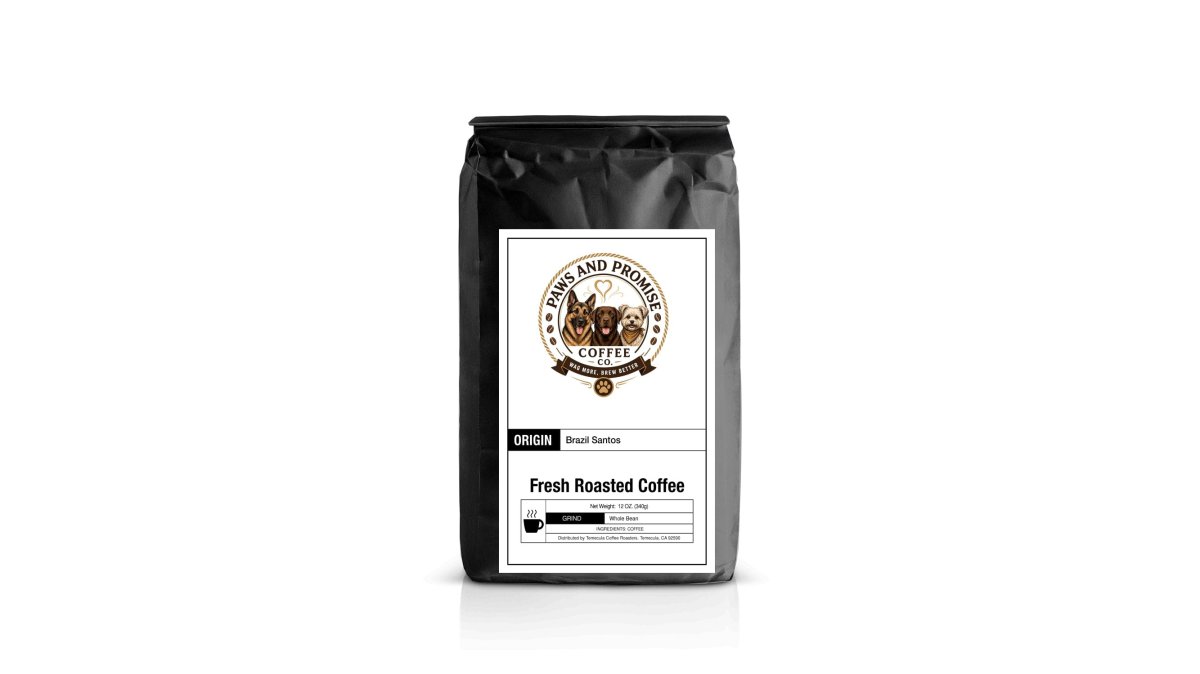
Here is how the major origins differ, and the mechanism behind each one.

Ethiopia is coffee's birthplace and the most genetically diverse source on earth, with thousands of wild heirloom varieties. Most lots are washed (clean, tea-like, jasmine and bergamot) or natural (blueberry, strawberry, fermented fruit). Yirgacheffe and Sidama sit at high altitude, slowing cherry development and concentrating acidity. A natural Ethiopian will reset your expectations.
Kenya is the reference point for structured acidity. Most lots are washed and graded by screen size (AA, AB, PB), and SL28 and SL34, bred for drought resistance, not flavor, produce a blackcurrant-and-tomato-leaf profile no other origin matches. It is bracing, savory, and unmistakable.
Colombia is the safest entry point for most drinkers: washed process and mid-to-high altitudes produce a clean, balanced cup with dried orange, red berry, and milk chocolate. Look for Huila and Nariño on the label, consistent rainfall near the equator keeps Colombian coffee consistent year over year.
Guatemala splits the difference between African brightness and Latin American body. Volcanic soil in Antigua and Huehuetenango gives cocoa, baking spice, and a clean finish, the origin most likely to please a drip drinker and an espresso drinker in the same household.
Sumatra and the wider Indonesian archipelago taste earthy, cedar-like, and heavy-bodied because of wet-hulling (giling basah), which removes the parchment while the bean is still wet. That strips acidity and builds a syrupy, low-acid profile people either love or hate. With milk, Sumatra is one of the few single origins that will not disappear.
Brazil is the world's largest producer, mostly grown at low altitude with natural or pulped-natural processing.
Roast Levels, Grind Size, and Freshness: What to Look For
Roast level and grind size decide how much origin flavor survives to your cup. A light roast preserves the most character but punishes sloppy brewing; a dark roast is forgiving but tastes more like the roast than the farm.
How to Brew Single Origin Coffee to Get the Most From Each Bag
Brewing single origin coffee well means matching your method to the bean and controlling three variables: ratio, grind, and water temperature. Get those right and a $20 bag outperforms a $6 café cup.
| Bean Profile | Best Brew Method | Grind Size |
|---|---|---|
| Floral, fruity (Ethiopia) | Pour-over, Chemex | Medium-fine |
| Balanced, citrusy (Colombia) | Drip, AeroPress | Medium |
| Earthy, heavy (Sumatra) | French press, cold brew | Coarse |
| Sweet, low-acid (Brazil) | Drip, moka pot | Medium-fine |
| Chocolatey, bold (Bali) | Espresso, moka pot | Fine |
How to Store Fresh Roasted Coffee So It Stays Fresh
Buy whole bean and grind immediately before brewing. Ground coffee has far more surface area exposed to oxygen, so it stales in days rather than weeks, the biggest upgrade most home brewers can make.
What Single Origin Coffee Beans Cost and What You Get
Most single origin coffee beans land between roughly $15 and $25 per 12-ounce bag, priced by origin rarity, processing method, and roast freshness. You are paying for traceability and small-batch handling, not just caffeine.
Frequently Asked Questions
What exactly defines single origin coffee beans?
Single origin coffee beans come from one specific place: a single farm, a single cooperative, or a defined growing region within one country. That traceability is the point. Instead of blending beans from multiple countries to create a consistent house flavor, a single origin bag lets you taste what one region, altitude, and processing method actually produce. You will see the country, region, and often the farm named on the label, along with details like altitude and processing method.
Are single origin coffees objectively better than blends?
Neither is objectively better. They serve different purposes. Single origin coffee highlights the character of one place, which means flavor can shift slightly from harvest to harvest. Blends are built for consistency and balance, so your morning cup tastes the same every time. If you want to explore how terroir, processing, and roast profile change what you taste, buy single origin coffee beans. If you want a reliable everyday cup that works with milk or sugar, a blend often does that job well.
Why do single origin coffee beans often cost more?
Small lots from one farm cost more to produce and ship than large blended volumes. Traceability adds work too: separate harvesting, processing, and roasting runs for each origin. At Paws and Promise Coffee, single origin bags run $20.48 for 12 oz, and a six-bag sample pack is $22.32. That price also includes free U.S. shipping and a 10% donation split between Forever Paws Animal Shelter and Sweet Inspirations.
How long does roasted-to-order coffee stay fresh once it arrives?
Most roasted-to-order coffee tastes best within two to four weeks of the roast date. Keep the bag sealed, store it in a cool dark cabinet, and avoid the fridge, where moisture and odors creep in. If you buy more than you will drink in a month, freeze part of it in an airtight container and grind from frozen. Buying smaller bags more often beats stocking up on a large one that goes stale before you finish it.
Buying single origin coffee beans is easy. Buying them fresh, from a roaster who tells you where the beans came from and what happens to your money, is the harder part. Paws and Promise Coffee roasts to order in small batches, offers six single origins plus a sample pack, and routes 10% of every sale to Forever Paws Animal Shelter and Sweet Inspirations. Start with the sample pack, find your region, then add your favorite to cart.