

Table of Contents
- How to Identify High Quality Specialty Tea
- Loose Leaf Tea vs Tea Bags: Which Delivers Better Quality?
- Sourcing, Ethical Verification, and What Certifications Actually Mean
- How to Brew Specialty Tea at Home for the Best Flavor
- How to Store Loose Leaf Tea for Freshness
- Everyday Specialty Tea Picks That Give Back
- Frequently Asked Questions
Last Updated: September 15, 2026
How to Identify High Quality Specialty Tea
Walk into any shop or scroll any online store and the words "premium" and "artisan" appear on nearly every package. That tells you almost nothing, because choosing high quality specialty tea comes down to what you can see, smell, and verify for yourself. At Paws and Promise Coffee, we source loose leaf teas for customers who care about both quality and where their money goes, and the same evaluation criteria apply whether you buy from us or anyone else.
Specialty tea is a whole-leaf or hand-processed tea grown with deliberate attention to cultivar, origin, and harvest timing, rather than a commodity tea blended for consistency at the lowest cost. That definition matters because it explains why two teas that look identical on a shelf can taste completely different in the cup.
The good news: you do not need a certification or a sommelier's palate to tell them apart. You need your eyes, your nose, and about thirty seconds.
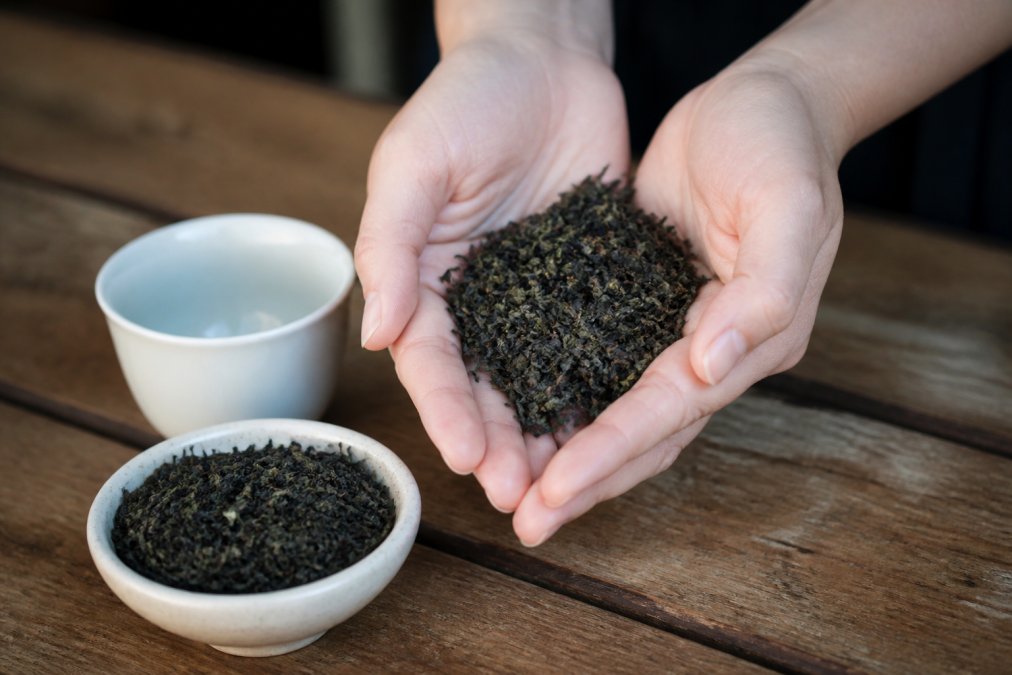
Visual Identification Guide
Start with your eyes, because appearance is the fastest quality signal available before you brew anything.
Whole leaf tea should look like, well, leaves. You want intact, unbroken pieces with visible shape, whether that is the long wiry needles of a green tea or the twisted, uniform granules of a good black. A bag full of dust and broken fragments is a sign the tea was sorted for volume, not quality. Color should be consistent within the batch, and it should look alive rather than faded or gray.

Here is what to check, in order:
- Leaf integrity: mostly whole pieces, minimal dust at the bottom of the pouch
- Uniformity: similar size and color across the batch, which signals careful sorting
- Aroma, dry: a fresh, distinct scent. Flat or papery means it sat too long
- Aroma, wet: after steeping, the aroma should deepen, not disappear
- Liquor clarity: a clear, bright cup rather than a murky or cloudy one
- Wet leaf: after brewing, the leaves should unfurl and look whole, not paste-like
One insider note: the wet leaf tells you more than the dry leaf ever will. A tea that expands into full, pliable leaves was handled gently. A tea that turns to mush was probably crushed or over-processed somewhere along the way.
Grading Systems Explained
Grading terminology sounds official, but it is not a universal quality guarantee. Most systems describe leaf size and appearance, not flavor.
For black teas, you will see terms like Orange Pekoe, Pekoe, and Flowery Orange Pekoe. Despite the name, "Orange Pekoe" has nothing to do with oranges or orange flavor. It refers to leaf position and size. Whole-leaf grades generally sit above broken-leaf grades, which sit above fannings and dust.
Green and oolong teas often skip letter grades entirely and rely on origin, cultivar, and style names instead. A "first flush" Darjeeling, for example, refers to the first harvest of the season, which typically produces lighter, more delicate leaves than later flushes.
The practical takeaway: grading tells you about leaf size and appearance, not whether the tea tastes good. Use it as one data point, then let your nose and palate make the final call. A well-graded tea stored badly will disappoint you. A modestly graded tea handled well can be excellent.
Loose Leaf Tea vs Tea Bags: Which Delivers Better Quality?
Loose leaf wins on quality in nearly every case, and the reason is mechanical rather than snobby. Tea bags are built for convenience and uniform brewing, which means the tea inside is typically cut into small pieces so it steeps fast. That speed comes at a cost: more surface area means faster extraction, but also faster loss of the aromatic compounds that give tea its character.
Here is how the two compare:
| Factor | Loose Leaf | Standard Tea Bags |
|---|---|---|
| Leaf size | Whole or large pieces | Fannings and dust |
| Flavor depth | Layered, evolving across steeps | Single, flatter note |
| Re-steeping | Often 2-4 good steeps | Usually one |
| Freshness control | You see and smell the leaf | Hidden until brewed |
| Convenience | Needs a vessel or infuser | Drop and go |
That said, the gap is not absolute. Some brands put whole-leaf tea in roomy pyramid bags, and those can brew quite well. If convenience is non-negotiable for your morning routine, a quality sachet beats a stale loose leaf every time.
Sourcing, Ethical Verification, and What Certifications Actually Mean
"Sustainably sourced" and "ethically sourced" are marketing phrases until someone verifies them. The certifications that carry real weight are the ones backed by third-party audits with published standards.
Organic certification means the tea was grown without prohibited synthetic pesticides and fertilizers, verified by an accredited certifier rather than self-declared. Fair trade certification focuses on producer pricing and labor conditions. Rainforest Alliance and similar programs combine environmental and social criteria.
None of these labels guarantee great flavor. What they do is give you a paper trail. When you are choosing high quality specialty tea, look for the specific certifying body named on the package, not just the word "natural," which has no regulated definition for tea.
Transparency matters more than any single logo. A seller who can tell you the tea estate, the region, the harvest date, and the processing method is showing you their supply chain.
How to Brew Specialty Tea at Home for the Best Flavor
| Tea Type | Water Temperature | Steep Time | Leaf per 12 oz |
|---|---|---|---|
| Jasmine Green | 175–180°F | 2–3 min | 1 tsp (about 2.5 g) per 12 oz |
| Moroccan Mint | 175–180°F | 2–3 min | 1 tsp (about 2.5 g) per 12 oz |
| English Breakfast | 195–205°F | 4–5 min | 1 tsp (about 2.5 g) per 12 oz |
| Earl Grey | 195–205°F | 4–5 min | 1 tsp (about 2.5 g) per 12 oz |
| Masala Chai | 195–205°F | 4–5 min | 1 tsp (about 2.5 g) per 12 oz |
| Mango Treat | 195–205°F | 4–5 min | 1 tsp (about 2.5 g) per 12 oz |
| Apple Cider Rooibos | Boiling | 5–7 min | 1 heaping tsp (about 2.5 g) per 12 oz |
| Hibiscus Berry | Boiling | 5–7 min | 1 heaping tsp (about 2.5 g) per 12 oz |
| Peach Paradise | Boiling | 5–7 min | 1 heaping tsp (about 2.5 g) per 12 oz |
| Matcha | About 175°F | Whisk with 2 oz water | 1–2 g |
| Hojicha | About 175°F | Whisk with 2 oz water | 1–2 g |
Water Chemistry and Temperature Basics
Water is the ingredient you use most and think about least. A cup of tea is almost entirely water, so the water sets the ceiling on how the cup tastes.
If your tap water tastes fine cold but your tea tastes dull, start there. Heavily treated water, the kind with a noticeable chlorine smell, is the usual culprit, and a simple carbon filter is often enough to fix it. Water quality varies a lot by location, so the most useful test is your own: brew the same tea with tap water and with filtered water, side by side, and see which you prefer.
Then get the temperature right. This is the adjustment with the biggest payoff, and the principle is simple. Hotter water extracts more from the leaf, faster. Push the heat or the time too far and you pull out more of the compounds behind bitterness and that dry, puckering astringency. Delicate teas feel this first: a green tea brewed with water straight off a rolling boil tends to taste harsh rather than floral. Black and spiced teas sit at the other end: they need hot water to open up fully. If your tea is consistently bitter, lower the temperature before changing anything else.
You do not need a thermometer to brew well, but it helps to know roughly where you are. If you don't have a temperature-controlled kettle, bring the water to a boil and let it stand before pouring. How quickly it drops depends on your kettle, how much water is in it, and how warm the room is, so use your taste as the gauge rather than counting minutes. Pouring the water into a cooler vessel first and adding the leaf after also brings the temperature down, and it's easy to repeat.
The most reliable starting point is not a general rule at all. It's the instruction on the tea you bought. Our own teas print a temperature and steep time on the product page for exactly this reason, and those are more precise than any chart.
How to Store Loose Leaf Tea for Freshness
Tea is a dried leaf, and a dried leaf keeps taking on whatever surrounds it. Four things do the damage: air, light, moisture, and odor.
Air. Aroma fades as tea is exposed to air, and every time you open the pouch, more gets in. That's unavoidable, which is why the size of the container matters as much as the seal.
Light. Sunlight and bright kitchen light fade both color and aroma. An opaque pouch or tin beats a clear glass jar on a windowsill, no matter how good the jar looks.
Moisture and heat. Steam from a kettle or a dishwasher, or a shelf directly above the stove, will undo a good leaf faster than anything else. Tea should be kept dry and cool.
Odor. Tea picks up the smells around it. Stored beside coffee, spices, or onions, it will eventually taste like them.
What works in practice: keep the tea in the pouch it arrived in if that pouch is resealable and opaque, press the air out before closing, and store it in a cool, dark cupboard. If you prefer a tin, use a small one for the week's supply and keep the rest sealed in the original packaging. Move tea into a tin rather than pouring it in and leaving it open.
Two storage habits worth reconsidering. The clear jar on a sunny counter, which fades a good leaf faster than almost anything else. And the refrigerator, which is not automatically wrong but is not the simple answer either: tea is porous, and every time the door opens it is exposed to moisture and to food odors. If you do refrigerate, keep the tea in genuinely airtight packaging and let it come to room temperature before opening.
Label the pouch with the date you opened it. Beyond that, buy an amount you will actually finish: a smaller quantity that gets used will taste better than a large one that sits, and reordering is easy.
Everyday Specialty Tea Picks That Give Back
Once you know what to look for, the practical question is what to keep on the shelf. A small, well-chosen set does more for you than a crowded cupboard, because every tea you own gets opened, and every time you open one it loses a little something.
Four or five cover almost every cup:
- A green tea. Jasmine, or Moroccan Mint if you prefer something brisker. Both are pleasant once the water temperature is under control.
- A brisk black. English Breakfast or Earl Grey. Both take milk well and hold up to a busy day.
- A spiced cup. Masala Chai, brewed strong with milk and a little sweetness.
- An herbal or fruit infusion. Apple Cider Rooibos, Hibiscus Berry, Peach Paradise, or Mango Treat add a different style to the rotation.
- A change of format. Matcha and Hojicha are powders rather than loose leaf. Both are whisked into water, and Hojicha's roasted character works well in a latte.
Three or four teas you rotate through will taste better than ten half-finished pouches, because freshness rewards the person who actually drinks what they buy. Start with one style you already like, add a second for contrast, and let the collection grow at the pace you drink it. You can see the full range in our tea collection.
Where your tea money lands
Paws & Promise gives back 10% of the final completed order total actually paid by the customer: 5% supports animal rescue and 5% supports organizations creating employment opportunities for adults with intellectual disabilities. See how our giveback works.
Frequently Asked Questions
Which tea brand is considered the highest quality?
No single brand holds that title because quality depends on harvest date, leaf grade, and how the tea was stored before it reached you. A better approach is to check the label for a specific origin, harvest date, and processing method. For example, Paws and Promise Coffee lists exact steeping instructions and tasting notes for each specialty tea, which makes it easier to judge freshness and quality before you buy.
How do I identify high quality tea?
Start with the dry leaf: whole, unbroken leaves with a consistent color usually signal higher grade than dusty fannings. Smell the dry leaf for a clear, bright aroma with no mustiness. After brewing, check the liquor for clarity and the leaf for even unfurling. A tea that tastes flat or bitter at the recommended steeping time and water temperature is often stale or low grade, regardless of packaging claims.
What are the indicators of fresh, high-grade loose leaf tea?
Look for a printed harvest date or flush rather than just a best-by date. Fresh loose leaf tea holds its aroma, feels dry but not brittle, and expands fully when steeped. Single-origin teas with named estates or regions tend to be more traceable. When you brew, the leaves should unfurl to roughly their original size, and the flavor should stay smooth across multiple steepings instead of fading after the first cup.
Is loose leaf tea really better than tea bags?
Loose leaf tea generally uses larger, whole leaves that release flavor more slowly and evenly, which is why it often tastes smoother and supports multiple steepings. Tea bags frequently contain fannings or dust, which brew fast but turn bitter quickly. That said, some premium pyramid bags use whole leaf too. If flavor and value per cup matter most, loose leaf usually wins, especially when you compare cost per serving.
How should I store loose leaf tea to keep it fresh?
Keep tea in an airtight, opaque container away from light, heat, moisture, and strong smells. A resealable pouch stored in a cool cupboard works well for daily use. Avoid the refrigerator unless the tea is vacuum-sealed, because condensation and food odors can ruin the leaf. How long tea holds its character depends on the style and how it was stored before it reached you. Buy an amount you will actually finish, and reorder rather than stockpile.
What water temperature should I use for specialty tea?
Green and white teas brew best around 175-180 F, while black and spiced teas need 195-205 F. Water that is too hot pulls out tannins and creates astringency, especially in green tea. Let boiling water rest for a minute or two before pouring over delicate leaves. Using filtered water also helps, since chlorine and heavy minerals can flatten the aromatic profile of even a high-grade tea.
How can I verify that a tea brand sources ethically?
Ask for specifics: named estates, harvest dates, and third-party certifications like USDA Organic or Fair Trade. Vague phrases such as 'ethically sourced' without documentation are a red flag. Some smaller roasters publish exactly where their donation or sourcing money goes. Paws and Promise Coffee, for example, states that 10% of every sale supports Forever Paws Animal Shelter and Sweet Inspirations' employment programs, which gives buyers a concrete way to check the claim.