

Choosing coffee beans can feel more complicated than it needs to be. There are growing regions, roast levels, tasting notes, processing methods, and grind options to consider.
The good news is that you do not need to be a coffee expert to find a coffee you love.
Single origin coffee beans offer a simple way to explore how place shapes flavor. Beans from Peru may taste different from beans grown in Sumatra. Mexico can offer a comforting, chocolatey cup, while African coffees often bring bright fruit and floral notes.
This guide will help you understand single origin coffee and choose specialty coffee beans based on your own taste.
What Does “Single Origin” Mean?
Single origin coffee comes from one defined growing area rather than a blend of beans from multiple origins.
The origin may refer to:
- A country, such as Peru or Uganda
- A region within a country
- A specific farm or cooperative
- A particular harvest or coffee lot
The more information a coffee provides, the easier it is to understand where the beans came from and what to expect in the cup.
Single origin coffee beans are popular because they allow you to notice the character of a particular place. Soil, altitude, climate, coffee variety, processing, and roasting all influence the final flavor.
A blend, by comparison, combines beans from different origins to create a balanced and consistent profile. Both styles have a place in your coffee routine. Single origin coffee is especially enjoyable when you want to explore, compare, and discover new favorites.
Start With the Flavors You Already Enjoy
Before choosing an origin, think about the coffee flavors you reach for most often.
Do you enjoy a smooth and gentle cup? Look for origins known for balanced sweetness and mild acidity.
Do you prefer bold coffee with a deep, earthy finish? Indonesian coffees may be a good place to start.
If you enjoy fruit, citrus, or floral aromas, African specialty coffee beans may be a better match.
Here is a simple starting point:
- Smooth and balanced: Peru or Mexico
- Sweet and comforting: Mexico or Peru
- Bright and fruity: Africa or Uganda
- Rich and full-bodied: Bali or Sumatra
- Bold and intense: Sumatra or a darker roast
These descriptions are useful guides, not strict rules. Every coffee is different. The roast, process, and brewing method can change how an origin tastes.
How Growing Regions Shape Flavor
Coffee-growing regions have distinct natural conditions. Those conditions help create the qualities you notice when you take a sip.
Peru: Smooth and Balanced
Peruvian coffee is often a welcoming choice for everyday coffee drinkers. It may offer mild acidity, gentle sweetness, and a balanced body.
Some Peruvian coffees show nutty, caramel, citrus, or soft fruit notes. They are often versatile and work well with drip coffee makers, pour-over brewers, AeroPress, or French press.
Choose Peru if you want specialty coffee beans that feel approachable but still offer something interesting in the cup.
Our Peru Coffee Pods feature a medium roast with salted caramel, silky sweetness, and citrus notes. They are also a convenient option when you enjoy Peruvian coffee but prefer single-serve brewing.
Mexico: Warm and Chocolatey
Mexican coffee is often associated with soft acidity, mild body, and comforting flavors such as cocoa, nuts, and gentle sweetness.
It can be a good fit for anyone who prefers a cozy cup that is easy to enjoy black or with milk. Mexico is also a friendly starting point for people who are new to single origin coffee beans.
Choose Mexico when you want a smooth, familiar profile with a little extra character.
Bali: Rich and Earthy
Bali is part of Indonesia, a coffee-growing region known for full-bodied and deeply flavored coffees.
Bali coffee may show earthy, herbal, spicy, or dark chocolate notes. It often has enough richness to stand up well in a latte or other milk-based drink.
Choose Bali if you enjoy coffee with a strong presence and a warm, earthy finish. A medium or medium-dark roast can bring out the origin’s richness while keeping some sweetness in the cup.
Sumatra: Full-Bodied and Distinctive
Sumatra is a favorite among drinkers who enjoy bold, rustic coffee.
Sumatran beans are often known for heavy body, low acidity, earthy flavors, herbal notes, and sometimes a subtle smoky quality. The coffee can feel rich and lasting, especially when brewed with a French press or used for espresso.
Choose Sumatra if bright, delicate coffee is not your preference. It is a natural match for people who enjoy deep flavor, body, and a more intense cup.
Uganda: Brightness With Body
Ugandan coffee can offer an appealing balance between African brightness and deeper, comforting flavors.
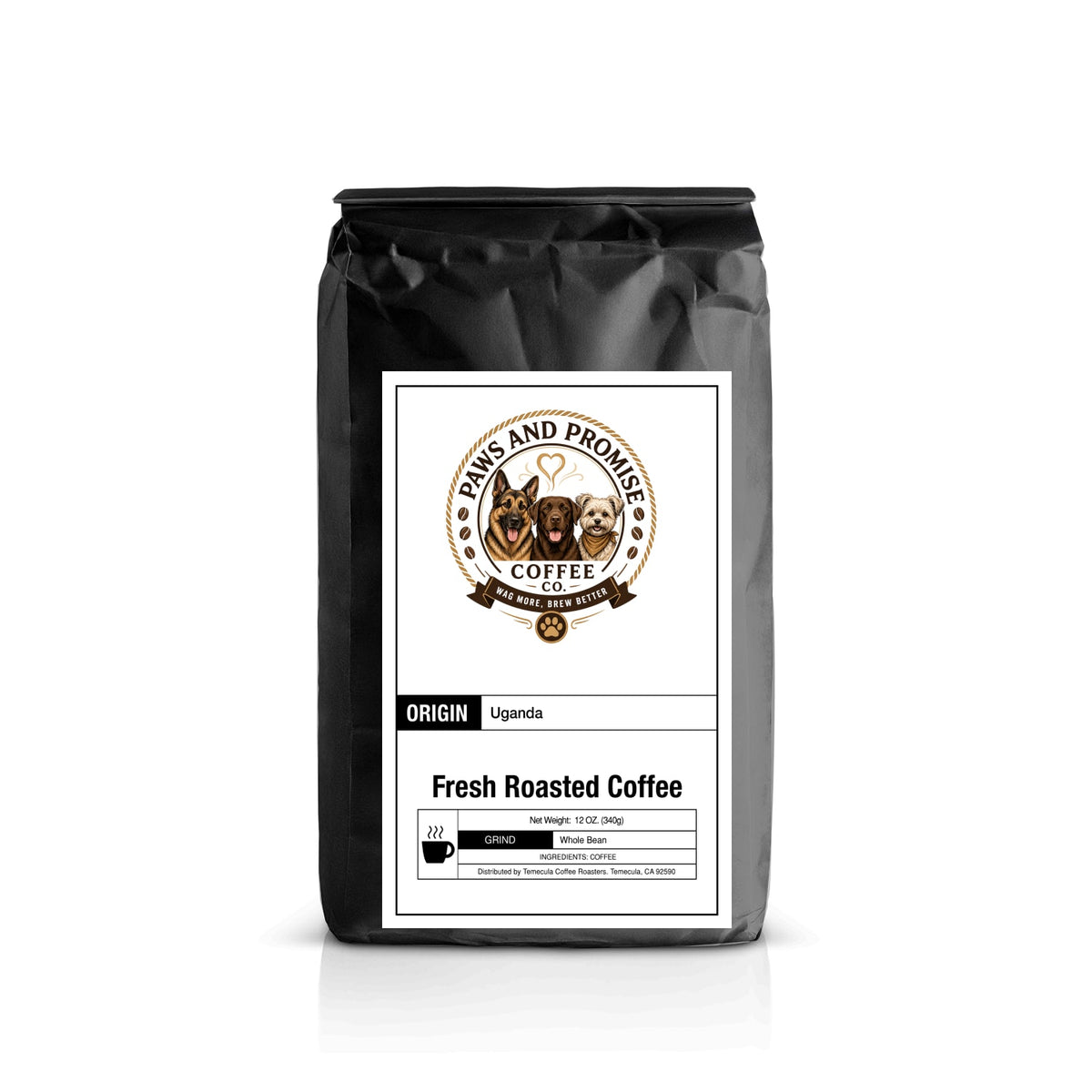
Our Uganda coffee comes from Sipi in Uganda’s Kapchorwa District. It is fully washed and sun dried, with cupping notes of mild acidity, light body, floral character, chocolate, and dark fruit.
Choose Uganda if you want to explore African coffee but prefer a profile that is not sharply acidic. It can offer fruit and floral interest alongside a smooth chocolate depth.
Africa: Fruity, Floral, and Lively
Africa is a broad coffee-growing area, so the flavor can vary significantly from one country or region to another.
Many East African coffees are known for lively acidity, fruit-forward sweetness, floral aromas, and a tea-like clarity. Ethiopia and Kenya are common examples, but other African origins, including Uganda, can offer their own distinct balance of fruit, body, and sweetness.
Choose African specialty coffee beans if you enjoy bright, aromatic cups with citrus, berry, floral, or wine-like qualities.
It is also helpful to read the product details carefully. “African coffee” may refer to a single origin, or it may describe a blend of coffees from several African countries. For example, our African Espresso is a medium-dark blend featuring coffee from Kenya, Tanzania, and Ethiopia.
Pay Attention to Roast Level
Roast level affects how much of the origin’s character comes through.
- Light roast: Often highlights fruit, floral notes, acidity, and complexity
- Medium roast: Offers a balance of origin character, sweetness, and body
- Dark roast: Brings more roast depth, bitterness, body, and smoky notes
If you are unsure where to begin, medium roast is a comfortable choice. It allows you to taste the personality of the beans while keeping the cup balanced.
A darker roast may suit naturally bold coffees such as Sumatra or Bali. A lighter roast may be a good fit for bright African coffees. Peru, Mexico, and Uganda can be enjoyable across a range of roast levels, depending on the flavor you prefer.
Consider the Processing Method
Processing refers to how the coffee fruit is removed from the bean after harvesting. It can have a noticeable effect on taste.
- Washed coffees: Often clean, bright, and clear
- Natural coffees: Often sweeter, fruitier, and fuller-bodied
- Honey-processed coffees: Frequently balanced between sweetness and clarity
You do not need to understand every processing detail to choose well. Simply use the information as another clue.
If you prefer a crisp and clean cup, try a washed coffee. If you enjoy fruit and sweetness, a natural coffee may be worth exploring.
Choose Whole Bean or Ground Coffee
The best format depends on how you like to prepare coffee.
Choose whole beans if you enjoy grinding at home and want to adjust the grind for different brewing methods. Grinding just before brewing can help preserve aroma and flavor.
Choose freshly ground coffee if you want excellent flavor with less preparation. It is a practical option for busy mornings and daily routines.
Single origin coffee beans are also available in convenient formats. Coffee pods and capsules make it easy to enjoy a particular origin without using a grinder or measuring each dose.
At Paws & Promise Coffee, every coffee order is roasted after it is placed. You can choose whole bean or ground coffee to suit your routine, while roast-to-order preparation helps your coffee arrive fresh.
Explore With a Sample Pack
If you are curious about different origins, a sample pack is one of the easiest ways to begin.
The Single Origin Favorites Sample Pack gives you a chance to explore coffees from distinct growing regions and compare how each one tastes. Brew them using the same method, then notice the differences in aroma, body, acidity, sweetness, and finish.
Try a simple tasting approach:
- Brew each coffee with the same water and method.
- Smell the coffee before taking your first sip.
- Notice whether the cup feels light, smooth, rich, or full-bodied.
- Look for flavors such as chocolate, citrus, fruit, spice, or floral notes.
- Write down which coffee you would enjoy again.
There is no right or wrong favorite. The best single origin coffee beans are the ones that suit your palate and your daily ritual.

A Simple Way to Choose
When you are ready to pick your next coffee, start with one clear preference.
- For smooth and balanced, choose Peru.
- For soft and chocolatey, choose Mexico.
- For rich and earthy, choose Bali.
- For bold and full-bodied, choose Sumatra.
- For floral, fruity, and balanced, choose Uganda.
- For bright and aromatic, explore African specialty coffee beans.
Then choose your preferred roast and format. Try whole bean if you enjoy grinding at home. Choose ground coffee or capsules when convenience matters most.
Your coffee routine does not need to be complicated. With a little attention to origin and flavor, each cup can become a simple way to explore the world and enjoy something thoughtfully prepared.
Start exploring. Choose your origin. Brew a cup that feels like yours.