

Table of Contents
- Why Local Shelters Need More Than Just Good Intentions
- 1. Give Money: The Most Flexible Way to Support Local Animal Shelters
- 2. Shop Their Animal Shelter Donation Wish List
- 3. How to Volunteer at an Animal Shelter: A Step-by-Step Guide
- 4. Open Your Home to Foster Care
- 5. Host a Fundraiser or Donation Drive
- 6. Use Social Media and Word of Mouth for Animal Advocacy
- 7. Support the Best Charitable Coffee Brands 2026
- Frequently Asked Questions
Last Updated: September 8, 2026
Why Local Shelters Need More Than Just Good Intentions
Many people assume the best way to support local animal shelters is simply to walk in and offer help, but shelter operations are far more complex. Shelters face ongoing pressure on capacity, animal welfare standards, and funding for pet health, food, and emergency medical care. Good intentions alone don't fill food bowls or pay veterinary bills.
At Paws and Promise Coffee, we've learned that effective support for animal shelters is consistent, informed, and varied. This guide breaks down seven real methods to support local animal shelters, from financial contributions to social media advocacy.

1. Give Money: The Most Flexible Way to Support Local Animal Shelters
Cash is the single most versatile gift you can offer a shelter. Unlike physical items, monetary donations allow shelters to allocate resources where they are needed most, whether covering an unexpected emergency medical fund expense, purchasing specialized animal enrichment tools, or upgrading facilities. When you support local animal shelters with a direct financial contribution, you give them the freedom to respond to urgent needs.
Monthly Giving vs. One-Time Donations
A common approach is to set up a recurring monthly gift rather than making a single annual donation. Monthly giving provides shelters with predictable income, which simplifies volunteer coordination and long-term planning for lifesaving programs. Even a modest recurring amount adds up significantly over a year.
Tax-Deductibility and Documentation
Most animal rescues operate as tax-exempt non-profit organizations, which means your donations are typically tax-deductible (irs.gov). To claim a deduction on your federal taxes, you must itemize and keep a written acknowledgment from the charity for any single gift of $250 or more (irs.gov). The IRS guidelines on charitable contributions provide clear rules on what documentation is required, so be sure to request a receipt for every financial contribution you make.
Corporate Matching Programs
One of the most overlooked ways to double your impact is through corporate matching programs. Many employers will match their employees' charitable gifts dollar-for-dollar, effectively doubling your donation at no extra cost to you. Check with your human resources department to see if your company offers this benefit, then submit the required paperwork after you donate.
2. Shop Their Animal Shelter Donation Wish List
While cash is king, shelters still rely heavily on in-kind donations of physical supplies. Before you buy anything, check the shelter's website for an animal shelter donation wish list, which outlines the specific items they currently need. Guessing can lead to wasted resources; an open bag of food may have to be thrown away due to safety regulations, and unopened, expired medication is useless to veterinarians.
Items for Senior Pets vs. Puppies and Kittens
The needs of shelter animals vary drastically by age. Senior pets often require soft, easily digestible food, orthopedic beds to ease joint pain, and gentle grooming supplies. Puppies and kittens, on the other hand, need puppy-specific formula, heat lamps, and small, safe toys for animal enrichment. By consulting the wishlist and tailoring your donation to these demographics, you ensure your generosity directly improves animal welfare.
3. How to Volunteer at an Animal Shelter: A Step-by-Step Guide
Volunteering your time is a powerful way to support local animal shelters, but the process requires more planning than simply showing up. Most shelters have structured onboarding to protect both the animals and the volunteers. Here is a realistic path:
- Research your local shelters: Identify a few rescue groups whose missions align with your values, then check their websites for volunteer applications and details on their volunteer handbook or FAQ.
- Submit an application: Expect to provide references and answer questions about your experience with animal behavior. Many shelters also require a background check, which they typically pay for.
- Attend an orientation: Shelters typically host sessions to explain their protocols, safety rules, and the realities of daily operations. This is your chance to ask about the most pressing needs, whether it's dog walking, cat socialization, or administrative support.
- Complete training: You will likely shadow experienced volunteers before working with animals independently. This can take several shifts, depending on the role. For example, a dog-walking volunteer might need to demonstrate proficiency with leash handling and reading canine body language before being cleared to work alone.
- Commit to a schedule: Most shelters prefer volunteers who can commit to a regular weekly shift, as this aids in volunteer coordination and provides consistency for the animals. A typical shift might be 2-4 hours, and some shelters ask for a minimum commitment of 3-6 months to justify the training investment.
What to Expect in Training
Training goes beyond just cleaning kennels. You will learn how to read animal body language to prevent bites, proper handling techniques, and the importance of maintaining a calm environment to reduce stress. This preparation is essential for animal safety.
Beyond the Kennels: High-Impact Volunteer Roles
While cleaning and walking are the most visible tasks, many shelters have a critical need for volunteers with specialized skills. If you have professional expertise, consider offering it:
- Photography: High-quality photos of adoptable pets significantly increase their chances of being adopted. Shelters often lack the time or equipment to take professional-looking shots.
- Marketing and Social Media: Help manage the shelter's Facebook or Instagram page, create graphics for adoption events, or write compelling bios for animals.
- Administrative Support: Answering phones, filing paperwork, and helping with data entry frees up paid staff to focus on animal care.
- Maintenance and Repair: If you're handy, you can help with facility upkeep, from fixing a fence to building new cat trees.
- Event Support: Shelters frequently need help setting up and running off-site adoption events at local pet stores or community fairs.
The Reality of the Commitment
Before you sign up, understand that volunteering is not always glamorous. It can be physically demanding, emotionally taxing, and sometimes involves cleaning up messes. However, the direct impact you have on an animal's well-being is immediate and tangible. If you cannot commit to a regular schedule, ask about one-time group opportunities for your workplace or community organization.
4. Open Your Home to Foster Care
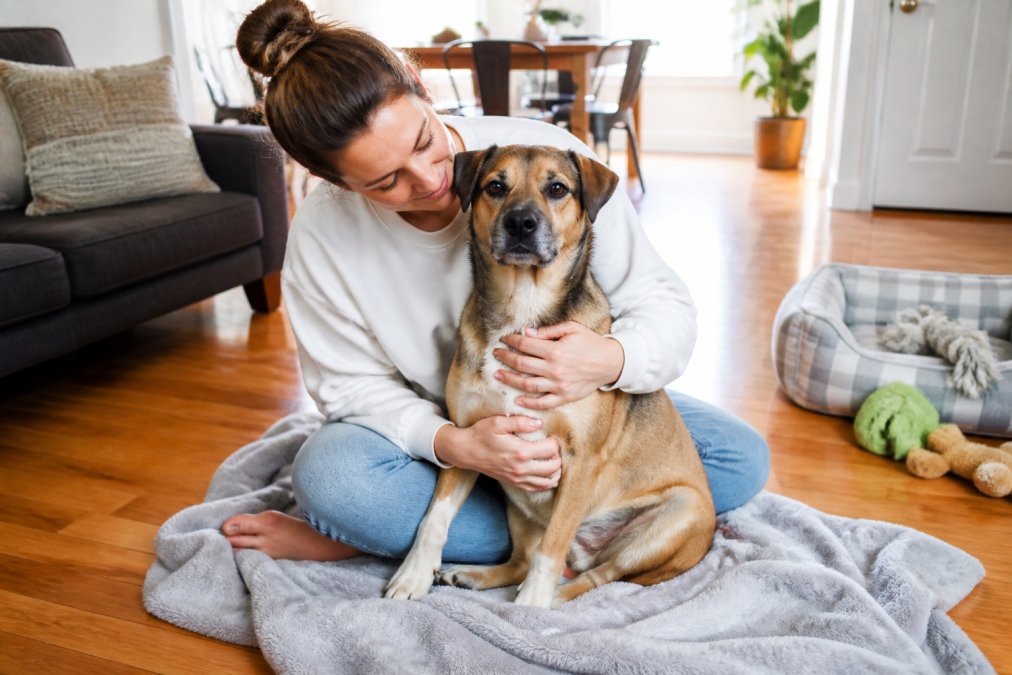
Fostering is one of the most impactful yet misunderstood ways to help. By opening your home to an animal that is not yet ready for adoption, you free up valuable shelter capacity and provide a crucial lifeline. A home environment offers better socialization and a lower-stress recovery space for animals healing from surgery or trauma.
Foster-to-Adopt Programs
If you are hesitant about a long-term commitment, ask about foster-to-adopt programs. These arrangements let you care for an animal temporarily with the option to adopt them permanently if it is a good fit. This reduces the risk of a failed adoption and gives you time to assess whether the animal's personality meshes with your household.
5. Host a Fundraiser or Donation Drive
You don't need to be a major philanthropist to raise significant funds for your local shelter. Hosting a fundraiser or donation drive taps into your personal network and can generate substantial support. The key is to choose a format that matches your skills and resources.
Birthday Fundraisers and Community Events
A popular and effective method is to create a birthday fundraiser on social media, asking friends to donate to your chosen shelter instead of buying you gifts. For a more hands-on approach, organize a community event like a car wash or a bake sale where proceeds go directly to the shelter. You can also host a supply drive at your workplace, placing a collection bin for items on the shelter's wishlist.
The Mechanics of a Successful Supply Drive
A supply drive is more than just putting out a box. To make it effective:
- Confirm the shelter's current needs: Contact the shelter directly and ask for their most recent wishlist. Needs change weekly, so don't rely on an outdated list from their website.
- Set a clear timeline and goal: Announce the drive with a specific start and end date (typically 2-3 weeks). Set a measurable goal, such as collecting 200 pounds of food or 50 new towels.
- Create a sign-up sheet: For a workplace drive, post a list of needed items so people can sign up for what they plan to bring. This prevents duplicates and ensures you get a variety of supplies.
- Make it visible: Place a clearly labeled collection bin in a high-traffic area. Use a poster that shows pictures of the animals that will benefit.
- Arrange delivery: Coordinate with the shelter to drop off the items at a time that works for their staff. Don't just leave items outside the door, as they may be exposed to weather or pests.
Fundraising Event Logistics and Legalities
If you're planning a larger event like a car wash or a bake sale, consider these practical points:
- Permits: Check with your local city or county government about whether you need a temporary permit for a public event like a car wash or a booth at a farmer's market.
- Liability: If you're organizing an event that involves physical activity or food, consider whether you need event insurance. Many community centers or churches have policies that can cover your event.
- Cash handling: Have a clear system for tracking donations, such as a locked cash box and a simple spreadsheet. This ensures transparency and builds trust with your donors.
- Promotion: Use local community bulletin boards, neighborhood Facebook groups, and Nextdoor to spread the word. A well-attended event raises more money and also serves as a public awareness opportunity for the shelter.
Virtual Fundraisers: Expanding Your Reach
Beyond birthday fundraisers, consider other online formats:
- Facebook Fundraisers: These are easy to set up and allow your network to donate directly through a trusted platform. The shelter receives the funds directly, and you don't have to handle cash.
- Live-streamed events: If you have a skill like playing an instrument or doing a craft, consider a live-streamed performance or workshop where viewers can donate to the shelter.
- Online auctions: Use a platform like eBay for Charity or a dedicated auction site to sell donated items. This can be a significant fundraiser if you have access to high-value goods or experiences.
Partnering with Local Businesses
A powerful way to amplify your efforts is to partner with a local business. Many small businesses are eager to support community causes. You could ask a local restaurant to donate a percentage of a night's proceeds to the shelter, or a pet supply store to host a donation bin at their checkout counter.
6. Use Social Media and Word of Mouth for Animal Advocacy
A simple share or retweet can be a lifesaving act. Social media advocacy is one of the easiest and most effective ways to support local animal shelters, especially for those who cannot volunteer or donate money. By sharing photos of adoptable pets, you dramatically increase their visibility to potential adopters.
Beyond sharing posts, use your voice to promote adoption events and fundraising campaigns. Talk about your positive experiences with the shelter to friends and family. This word-of-mouth advocacy helps combat overcrowding by driving adoptions and builds a positive reputation in the community.
7. Support the Best Charitable Coffee Brands 2026
For those who want to make a difference with their daily habits, supporting the best charitable coffee brands 2026 is a seamless way to give back. Many coffee companies have built giving into their business models, donating a portion of every sale to animal-related causes. This allows you to support local animal shelters simply by enjoying your morning brew.
Our top pick in this space is Paws and Promise Coffee, a brand that donates 10% of every sale to support the Forever Paws Animal Shelter and Sweet Inspirations' supportive employment programs. This means your coffee purchase provides direct funding for rescue animals while also creating meaningful jobs for adults with intellectual disabilities. Whether you choose the The Daily Brew Starter Pack which includes a 12 oz bag of freshly roasted Breakfast Blend and a signature ceramic mug for $34.59, or a simple bag of whole beans, every sip supports a worthy cause.

How to Vet a Reputable Rescue or Charity
Before you donate to any organization, it is wise to verify that your money will be used effectively. A reputable rescue will be transparent about its finances and operations. You can check their status on charity watchdog sites or review their annual reports to see how much of their budget goes directly to animal care versus administrative overhead. Look for clear missions, public adoption events, and a willingness to answer questions about their spay and neuter policies.
Supporting local animal shelters is not a single act but a sustained commitment across many fronts. Whether you choose to donate money, foster an animal, or simply advocate online, your efforts are the backbone of animal rescue. At Paws and Promise Coffee, we believe every compassionate cup makes a difference. Get started with Paws and Promise Coffee and turn your daily coffee ritual into a lifeline for animals in need.
Frequently Asked Questions
What items are most requested on an animal shelter donation wish list?
Shelters most often need unopened food (wet and dry), kitten formula, unscented litter, paper towels, bleach, laundry detergent, and durable toys. Many also request specific items like martingale collars or grooming supplies for senior pets. Check the shelter's website for their current animal shelter donation wish list before shopping, since needs change weekly. Call ahead to confirm they accept opened bags or homemade treats, as many shelters restrict these for safety and health reasons.
Can I support local animal shelters without donating money?
Yes. Donating supplies from the shelter's wish list, fostering an animal, and volunteering your time are all valuable forms of support. You can also use social media to share adoption event posts and shelter posts, which expands their reach. Some shelters accept frequent flyer miles for transport or old towels and blankets. Every hour you volunteer or item you drop off frees up shelter funds for medical care and other direct animal welfare needs.
How do I know if a shelter donation is tax-deductible?
Donations to shelters registered as 501(c)(3) non-profit organizations are tax-deductible in the United States. To claim the deduction, you need a written acknowledgment from the charity for any single donation of $250 or more. For cash donations of any amount, keep a bank record or receipt. For donated goods valued over $500, you must file IRS Form 8283. Ask the shelter for their tax ID number if you do not see it on their website.
How do I start volunteering at a local animal shelter?
Start by visiting the shelter's website to find their volunteer application. Most shelters require you to be at least 16 or 18 years old, attend an orientation, and complete basic handling training. Expect a commitment of a few hours per week. If you want to learn how to volunteer at an animal shelter but have limited time, ask about dog walking, cat socialization, or administrative help. Many shelters also need volunteer coordinators for community outreach events.
What is the 3-3-3 rule for shelter animals?
The 3-3-3 rule describes a common adjustment timeline for adopted pets: 3 days to decompress, 3 weeks to learn your routine, and 3 months to feel fully at home. During the first 3 days, keep the environment calm and quiet. By week 3, start training and establishing a schedule. By month 3, most pets show their true personality. Understanding this rule helps fosters and adopters support animal behavior during the transition.