

Table of Contents
- What Makes Coffee 'Specialty' and Why It Costs More
- Specialty Coffee vs Commercial Coffee: The Real Differences
- The Cost Per Cup Math: What You Actually Pay
- How to Store Fresh Roasted Coffee So It Stays Worth It
- Benefits of Ethically Sourced Coffee Beyond the Label
- When Specialty Coffee Reaches Diminishing Returns
- Conclusion
- Frequently Asked Questions
Last Updated: September 25, 2026
What Makes Coffee 'Specialty' and Why It Costs More
When asking is specialty coffee worth the price, start with the score: specialty coffee scores 80 points or higher on a 100-point scale graded by licensed coffee tasters, known as Q graders. That threshold separates it from commodity coffee and explains most of the price gap on a bag.
At Paws and Promise Coffee, we roast to order in small batches, so your bag was roasted days, not months, before it reached you. Smaller batches, fresher timelines, and traceable sourcing all carry real costs that commodity coffee avoids by design.
The Specialty Coffee Association's grading standards set the cupping score framework that separates specialty grade from commercial grade. A coffee that scores below 80 is, by definition, not specialty, no matter what the label claims.
So what pushes a coffee past that 80-point line?
- Single origin or traceable blend: You can name the farm, region, or cooperative
- Defect-free beans: Fewer than five full defects per 300-gram sample
- Distinct flavor notes: Acidity, body, aroma, and aftertaste that stand out in a blind cupping
- Documented processing method: Washed process, natural process, or another named method
- A roast date on the bag: Not just a "best by" date
"Specialty" isn't a marketing word, it's a measurable grade, and you can ask any roaster for the cupping score behind their beans.

Specialty Coffee vs Commercial Coffee: The Real Differences
The core difference between specialty and commercial coffee comes down to grade, freshness, and supply chain visibility.
Commercial coffee is built for volume and shelf stability: commodity beans, often robusta mixed with arabica, roasted dark to mask inconsistency, and stamped with a best-by date rather than a roast date. Specialty coffee flips each of those choices.
| Factor | Specialty Coffee | Commercial Coffee |
|---|---|---|
| Cupping score | 80+ points | Below 80 |
| Bean type | Arabica, often single origin | Blend, frequently robusta-heavy |
| Date on bag | Roast date | Best-by date |
| Sourcing | Traceable to farm or region | Often anonymous |
| Flavor notes | Specific, documented | General "bold" or "smooth" |
Freshness is the biggest everyday difference: a bag roasted last week and one roasted eight months ago can come from the same farm and taste nothing alike.
The Cost Per Cup Math: What You Actually Pay
Specialty coffee costs more per bag, but the per-cup math tells a different story, and the full picture includes the gear required to taste the difference.
The Bean Cost Breakdown
Take a 12 oz bag of whole bean coffee at $19.99, like our Breakfast Blend. A standard dose for drip is about 0.5 oz per cup, which works out to roughly 24 cups from that bag. That's about $0.83 per cup.
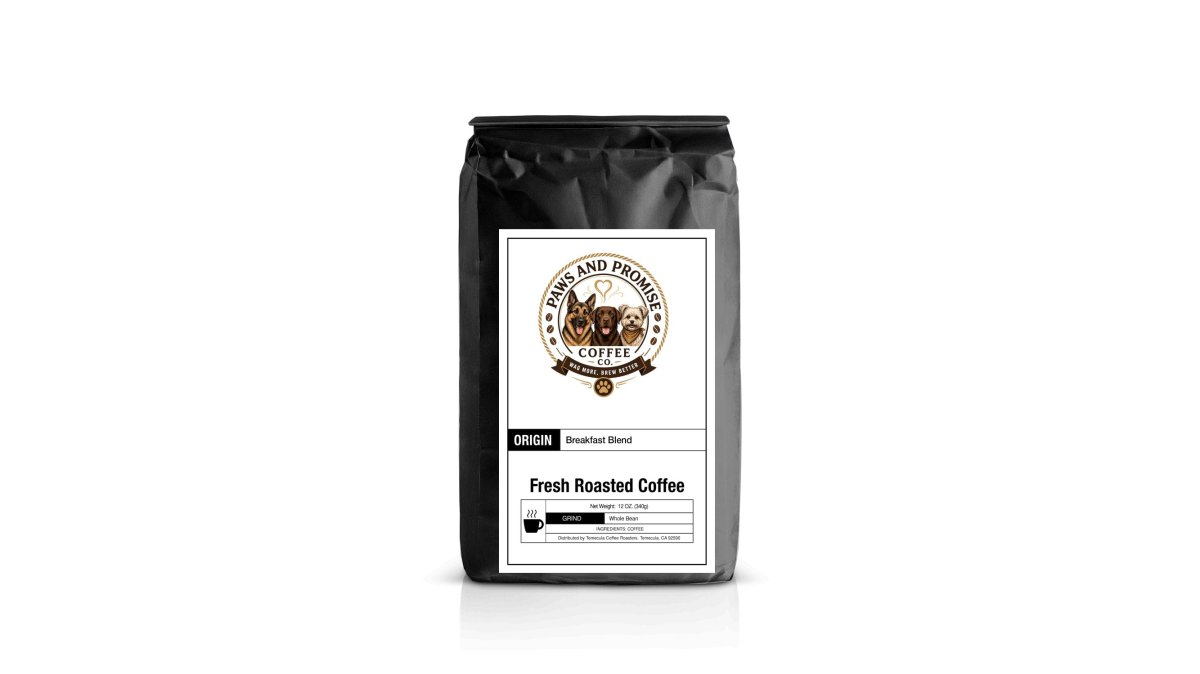
Compare that to café drip or a single-serve pod and the gap narrows fast.

| Coffee | Price | Approx. Cups | Cost Per Cup |
|---|---|---|---|
| Breakfast Blend (12 oz) | $19.99 | ~24 | ~$0.83 |
| Brazil Santos (12 oz) | $20.99 | ~24 | ~$0.87 |
| Ethiopia Natural (12 oz) | $20.99 | ~24 | ~$0.87 |
| Best Sellers Sample Pack | $22.99 | ~24-30 | ~$0.77-0.96 |
The Equipment ROI: What It Costs to Taste the Difference
Most cost-per-cup articles skip this: the beans are only half the equation. To taste why specialty coffee costs more, you need gear that extracts it properly, a $20 bag through a dirty drip machine and dull blade grinder tastes worse than a $10 bag brewed carefully.
- Burr grinder: $40-$150. A blade grinder produces uneven particles that cause sour and bitter flavors in the same cup. This is the single highest-impact upgrade.
- Digital scale: $15-$30. Coffee is measured by weight, not volume. A scale lets you hit a consistent 1:15 to 1:17 coffee-to-water ratio.
- Kettle (gooseneck or temperature-controlled): $25-$100. Pour-over and drip both benefit from controlled pouring and water just off boil (195-205°F).
- Brewer: $20-$200. A basic drip machine works; a pour-over cone or French press costs less and gives you more control.
- Storage container: $10-$25. Airtight and opaque, as covered above.
The Real Per-Cup Comparison
Put it together: a specialty cup at home, with equipment amortized over one year, lands around $1.38-$1.50. Café drip runs $2.50-$4.00. A single-serve pod runs $0.75-$1.25 but delivers commodity-grade coffee with a fraction of the flavor complexity.
Best Sellers Coffee Sample Pack →
How to Store Fresh Roasted Coffee So It Stays Worth It
Fresh roasted coffee stays at its best for about two to four weeks after the roast date if stored properly; the enemies are oxygen, light, heat, and moisture, in that order. Understanding the degradation curve separates a bag that earns its price from one that turns into expensive compost.
The Shelf-Life Science: Why Freshness Is a Clock, Not a Switch
Coffee degrades along a predictable curve, at a rate set by oxygen exposure, temperature, and time since roast.
How Commodity Coffee Cheats the Clock
Commercial coffee is built for shelf stability, not peak flavor: roasted darker to mask inconsistency and stamped with a best-by date, often 6-12 months out, drinkable, not excellent, for most of that time.
Storage Rules That Actually Protect Your Investment
- Keep it whole bean until brewing. Grinding exposes surface area and speeds up staling by a factor of days, not hours.
- Store in an opaque, airtight container. A one-way valve bag works well; a clear jar does not. Light degrades oils.
- Keep it at room temperature, away from the stove. Heat accelerates the loss of aroma compounds.
- Skip the freezer for daily-use bags. Only freeze if you're storing a large quantity you won't touch for weeks. If you do freeze, use an airtight vacuum-sealed bag and let it thaw fully before opening.
- Buy in sizes you'll finish. A 5 lb bag only makes sense if you brew through it fast.
The "how to store fresh roasted coffee" question has a simple answer: small amounts, airtight, cool, and dark. Get those right and every cup tastes like the one the roaster intended.
Benefits of Ethically Sourced Coffee Beyond the Label
Ethically sourced coffee does more than ease your conscience, farms paid fairly can invest in the picking, sorting, and processing that raise a coffee's cupping score.
- Better farming practices: Fair and direct trade relationships give growers room to improve processing and quality control
- Supply chain transparency: You can trace beans back to a region, cooperative, or farm
- Community stability: Stable prices help farming communities stay in coffee instead of switching crops
- Environmental care: Many ethical programs reward shade growing and water-conscious processing
When Specialty Coffee Reaches Diminishing Returns
- You can't taste the difference blind. If a $30 bag and a $20 bag taste identical without the label, the premium isn't buying you flavor.
- You're not brewing it well. Great beans through a dirty grinder and stale water won't beat good beans brewed carefully.
- You're buying more than you'll drink fresh. A rare lot you can't finish before it stales is money spent on shelf decoration.
For most daily drinkers, the sweet spot is a fresh, traceable single origin or blend in the $19 to $21 range, roasted to order and stored well. That's where quality per dollar peaks.
Conclusion
The real challenge isn't deciding whether specialty coffee is worth it in the abstract. It's finding a roaster whose freshness, sourcing, and price actually line up with what you taste in the cup.
Frequently Asked Questions
Is specialty coffee worth the price compared to regular coffee?
It depends on how you drink it. Specialty coffee often costs $18 to $23 per 12-ounce bag, while commercial coffee can run $8 to $12. But a 12-ounce bag brews roughly 16 to 20 cups, so the per-cup difference is often 30 to 60 cents. If you drink one cup a day, that's about $11 to $22 more per month. For many people, the difference in freshness, traceability, and flavor is worth that small gap.
What is the difference between specialty coffee and commercial coffee?
Specialty coffee is graded 80 points or higher on the Specialty Coffee Association scale, which evaluates factors like flavor, acidity, body, and aftertaste. Commercial coffee is graded below that threshold and often blended from multiple origins with less transparency. Specialty beans are typically single origin or carefully blended, roasted to order, and carry a roast date. Commercial coffee may sit on shelves for months and rarely lists a roast date.
How do I store fresh roasted coffee to keep it tasting good?
Keep beans in an airtight, opaque container at room temperature, away from light, heat, and moisture. Don't refrigerate or freeze unless you're storing a large amount for more than a month; if you do freeze, use a vacuum-sealed bag and let it thaw fully before opening. Whole beans stay fresh longer than ground coffee, so grind right before brewing. Most roasted coffee peaks in flavor 3 to 14 days after the roast date and starts fading after about four to six weeks.
Does ethically sourced coffee actually cost more, and why?
Yes, usually. Fair trade and direct trade arrangements pay farmers above commodity market prices, which raises the green coffee cost. That premium funds better farming practices, quality control, and community investments. The benefits of ethically sourced coffee include more stable supply chains, higher bean quality, and clearer transparency about where your coffee comes from. Those costs show up in the final price, but they also support the people growing the coffee.